
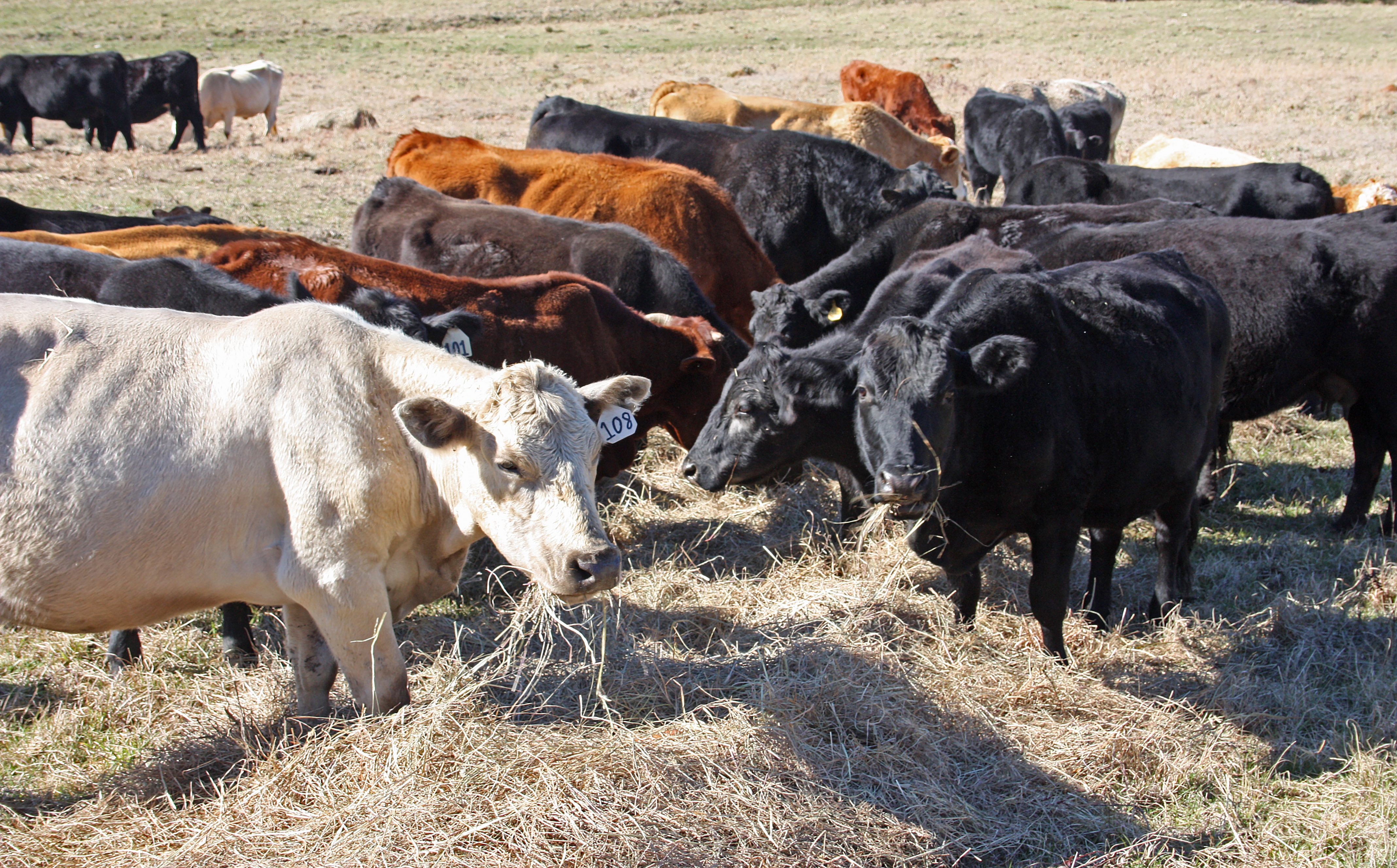
Animal Nutrition
Animal nutrition built around feed efficiency, livestock resilience, adapted genetics, and stronger production outcomes.
Animal Nutrition focuses on the operating decisions that improve performance, reduce avoidable risk, and strengthen long-term product confidence.
Animal nutrition organized as a full production system.
Feed strategy, adapted genetics, climate pressure, and stress management all affect healthier livestock performance, better feed use, and more reliable meat quality.
- Focus
- Feed and fodder strategy, livestock adaptation, stress-pattern management, and better production performance
- Best fit
- Producers, operators, and partners who need animal nutrition tied to practical livestock performance
Commercial Priorities
What the work covers.
The first questions are product fit, standards, buyer expectations, delivery conditions, and the role each partner needs to play.
Feed efficiency first
The core production question is how to deliver cost-effective, nutrient-rich feed under tighter resource conditions.
Adapted genetics and environments
Animal nutrition is tied to adapted germplasm and the realities of different production environments.
Stress management as performance strategy
Climate, nutrient, and production stress all affect animal outcomes and need to be managed deliberately across the whole system.
Market-fit production systems
Nutrition connects directly to product quality, desirable meat characteristics, and the markets the system is trying to serve.
Applications
Commercial applications.
Used for product decisions, operating plans, market development, public-sector work, academic programs, and buyer-facing requirements.
Livestock feeding plans
Seasonal nutrient supply, animal requirements, and production targets can be planned together.
Discuss requirementsResilience under changing conditions
Operators facing climate pressure, feed variability, and harsher production environments need adaptive feeding and livestock systems.
Discuss requirementsIntegrated livestock operations
Supports vertical and horizontal integration discussions across feed, herd performance, and market requirements.
Discuss requirementsOrganic and natural meat programs
Explains organic, natural, and quality-led production systems inside the broader product offer.
Discuss requirements
Nutrition Logic
Animal nutrition works as a full production system.
Feed, adaptation, management, and market goals operate as one connected production system.
View protein categories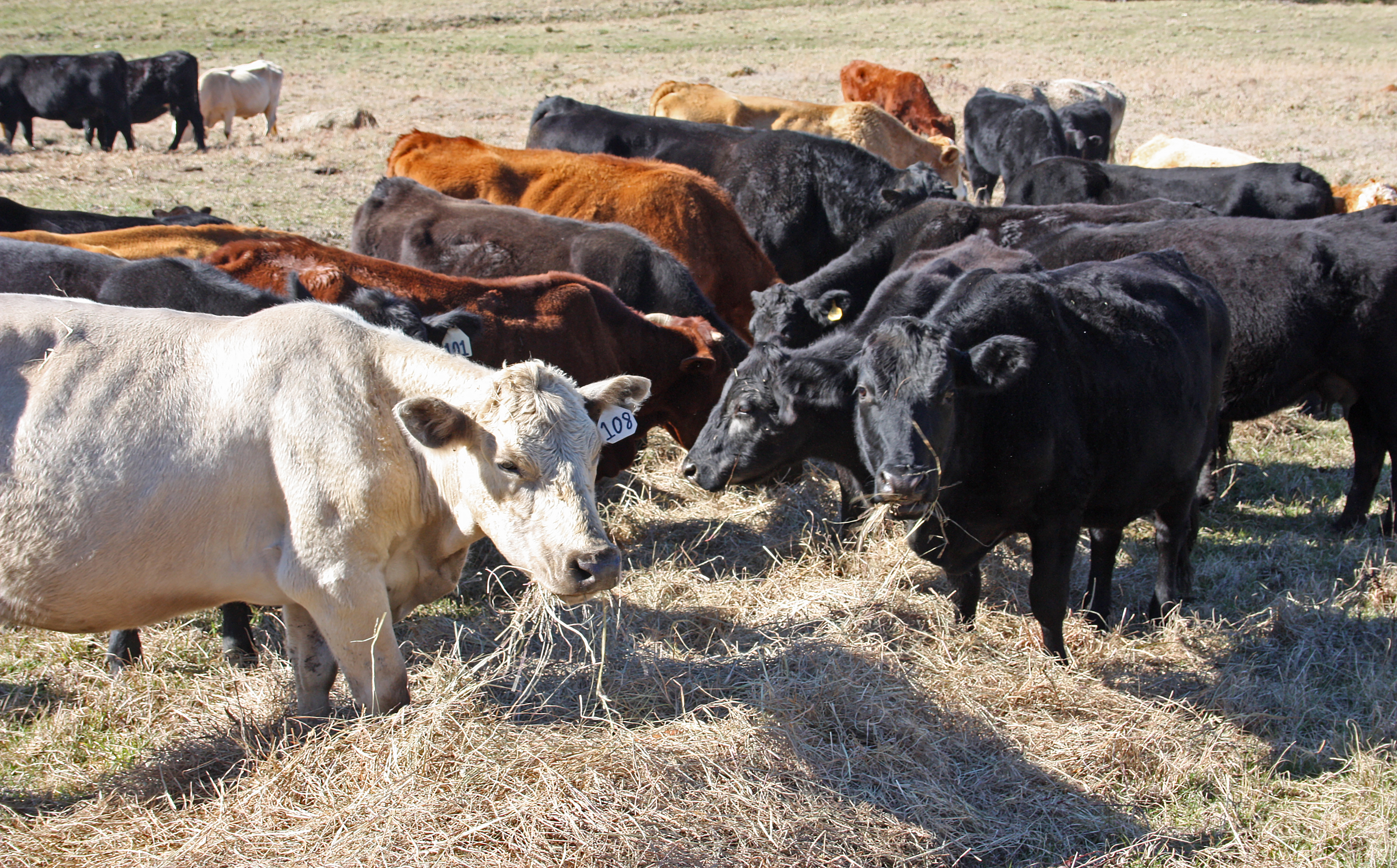
Operating Strengths
How delivery improves.
Better early decisions reduce rework, keep requirements visible, and make long-term coordination easier to manage.
System-level framing
Nutrition, production, animal well-being, and market expectations are planned together.
Focused production logic
Feed planning, adaptation, and livestock outcomes are grouped into a smaller number of practical operating priorities.
Production-system depth
Livestock programs can move into feed detail, production evidence, and practical examples as requirements become clearer.
Connected business role
Animal nutrition connects with food products, consulting, research, and sustainability across the wider EnhancedExchange business.
Commercial Value
Value for buyers and partners.
Sourcing, standards, market requirements, and delivery planning stay connected from the first discussion through execution.
Defined requirements
Product specifications, sourcing needs, quality expectations, and market conditions are set early so the work can move with discipline.
Coordinated delivery
Food, agriculture, research, sustainability, and delivery priorities are managed as one connected program.
Practical next steps
Teams move from initial requirements into sourcing, standards, technical review, and delivery planning with a clearer route forward.
Continue the Conversation
Talk with EnhancedExchange when animal nutrition needs a defined path forward.
Talk with EnhancedExchange about animal nutrition, buyer requirements, market context, and the next useful decision for your organization.