
Food Category
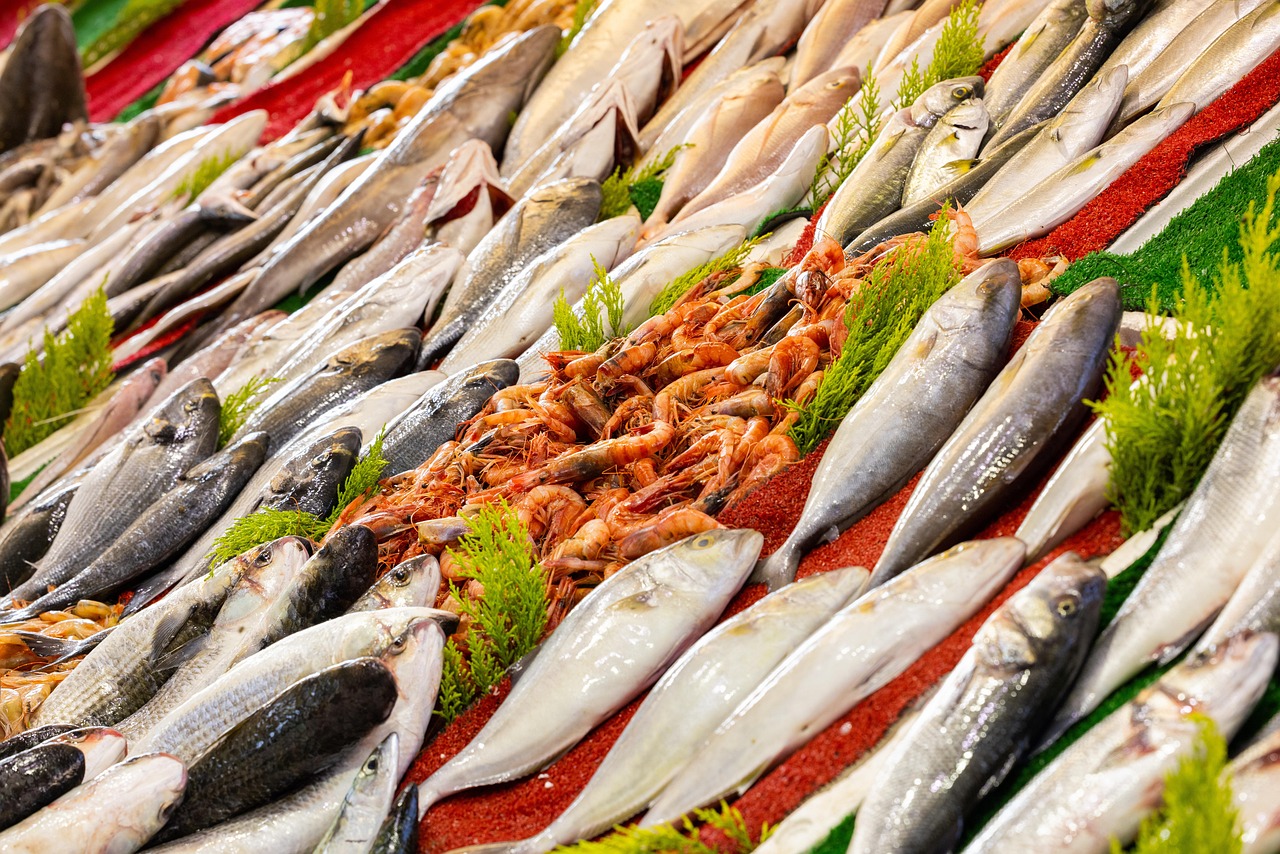
Seafood supply for buyers planning specifications, formats, and repeat availability.
Seafood supply across fish, shellfish, and varied commercial formats for buyers managing quality and logistics.
Seafood supply shaped by format, handling, logistics, and sourcing requirements.
Fish and shellfish are grouped with attention to format, handling, logistics, and the buyer requirements that shape seafood programs.
- Coverage
- Fish, shellfish, and multiple preservation or delivery formats
- Formats
- Fresh, frozen, dried, canned, and customer-led format planning
Product Overview
Product range, formats, and supply requirements.
Buyers can frame product scope, handling needs, packaging, destination market, and repeat supply expectations.
Fish and shellfish
Seafood options can be compared across species, formats, handling needs, and channel requirements.
Fresh and frozen formats
Seafood can be reviewed around cold-chain needs, shelf life, destination market, and buyer specifications.
Dried and canned formats
Shelf-stable seafood formats can be planned for retail, foodservice, institutional, and ingredient-led demand.
Quality and logistics
Seafood discussions can account for quality expectations, packaging, transport conditions, and supply continuity.
Commercial Uses
Commercial channels and product uses.
Retail, wholesale, foodservice, manufacturing, and private-label buyers can use this category as a starting point for more specific requirements.
Distribution channels
Seafood buyers can review formats, handling, supply conditions, and delivery expectations before sourcing begins.
Discuss requirementsRetail and foodservice
Seafood programs need dependable supply across multiple formats and demand patterns.
Discuss requirementsProcessing or packaging programs
Seafood decisions can include raw product, handling method, format, packaging, and logistics.
Discuss requirementsBroader portfolio fit
Connects naturally with proteins, produce, staples, branded lines, and certification-linked programs.
Discuss requirements
Product Focus
Seafood supply with clear format, handling, sourcing, and cold-chain discipline.
Seafood buying decisions can account for species, format, handling, logistics, quality expectations, and supply continuity.
Discuss seafood requirements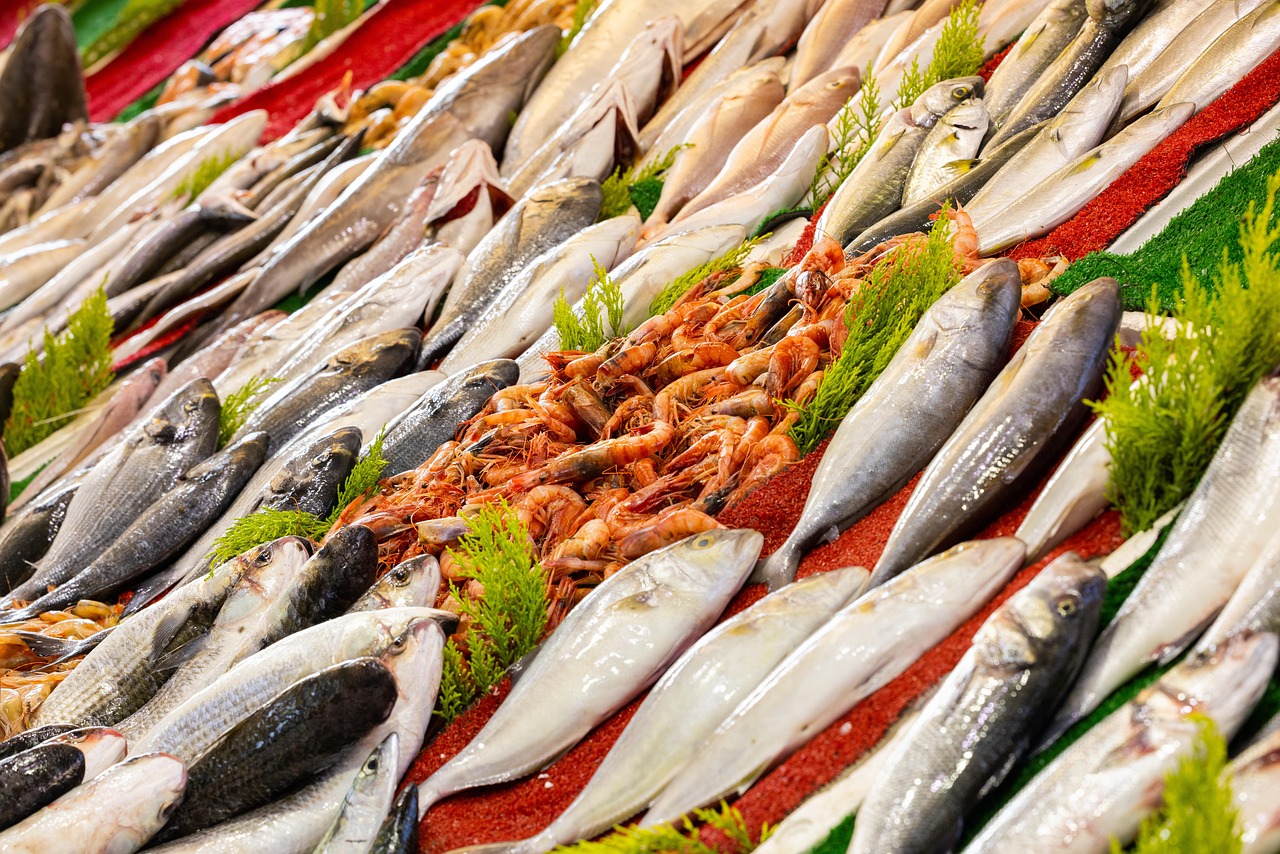
Supply Approach
Sourcing, specification, formats, and dependable delivery.
EnhancedExchange reviews product scope, specifications, handling needs, and delivery expectations before moving into a sourcing discussion.
Specifications and range
The discussion starts with the products, formats, volumes, and requirements the buyer actually needs to source.
Formats and handling
Fresh, chilled, frozen, dried, canned, bulk, or packaged formats can be reviewed around logistics and downstream use.
Continuity and delivery
Supply planning can account for timing, destination, packaging, quality expectations, and repeat purchasing needs.
Program fit
Product requirements can include branded, certification-linked, foodservice, retail, or institutional needs when relevant.
Commercial Value
A faster path from product interest to sourcing discussion.
Buyers can start with availability, format, specification, use case, and continuity, then move into a clearer sourcing conversation.
Faster product qualification
Buyers can identify the relevant product family, likely formats, and required specifications before opening a detailed request.
Better sourcing conversations
Availability, packaging, destination, and recurring supply needs are clarified before detailed sourcing work begins.
Room for related programs
When the market requires it, the discussion can extend into branded products, certifications, or wider food-product programs.
Open the Next Conversation
Discuss requirements for this product category with EnhancedExchange.
Talk with EnhancedExchange about seafood requirements, wider food-product programs, or related sourcing priorities.