
Research & Development
Research and development built around food systems, production biology, and long-range resource decisions.
EnhancedExchange develops research around domesticated and cultured plants and animals, healthier food and agricultural environments, and the long-term resource pressures shaping future production.
Research connects biological understanding, production design, and long-term food-system resilience.
The program links foundational science, disruptive technologies, designer food products, and practical operating questions such as productivity, land pressure, emissions, and food loss.
- Focus
- Food systems, productivity, nutrition, ecological pressure, and commercial translation
- Outcome
- Better decisions for products, production systems, and long-term operating resilience
Research Model
Research model connected to production realities and commercial translation.
The model links foundational science, resource pressure, product development, and implementation choices.
Plants, animals, and domestication
Research starts with the long-term evolution, domestication, and performance of crop and animal systems so applied decisions rest on biological reality.
Food-system efficiency
The work examines yield, feed, water, land use, and broader system efficiency so food growth does not depend on avoidable waste and ecological overshoot.
Designer food products and innovation
In-house and external teams explore new food products, disruptive technologies, and development pathways that can move from research into usable programs.
Policy, legal, and operating frameworks
The agenda also considers the policy and legal conditions needed to support healthier, more sustainable food and agricultural systems over time.
Priority Areas
Priority areas shaped by food-system pressure, production science, and implementation.
The research program addresses practical questions in food, agriculture, and product development.
Research framed around the food, land, and emissions gaps ahead
EnhancedExchange ties R&D to the practical challenge of feeding nearly ten billion people while reducing greenhouse-gas pressure and land conversion.
Open sectionBetter crop, livestock, and managed-system performance
Research covers biochemical, physiological, and ecological factors that shape productivity, quality, and resilience across plant and animal production.
Open sectionDesigner food products, disruptive technologies, and practical development thinking
The program is not limited to observation. It also supports the design of new products and operating responses that can be used in real markets and institutions.
Open sectionResearch that takes food loss and waste reduction seriously
The work also considers the measurable effect that lower food loss and waste can have on the food gap, land gap, and emissions burden.
Open section
Food-System Challenge
Research is framed against the need to feed more people with tighter resource limits.
Research connects science to land pressure, productivity, resource use, and the long-term challenge of feeding a growing population.
See the sustainability framework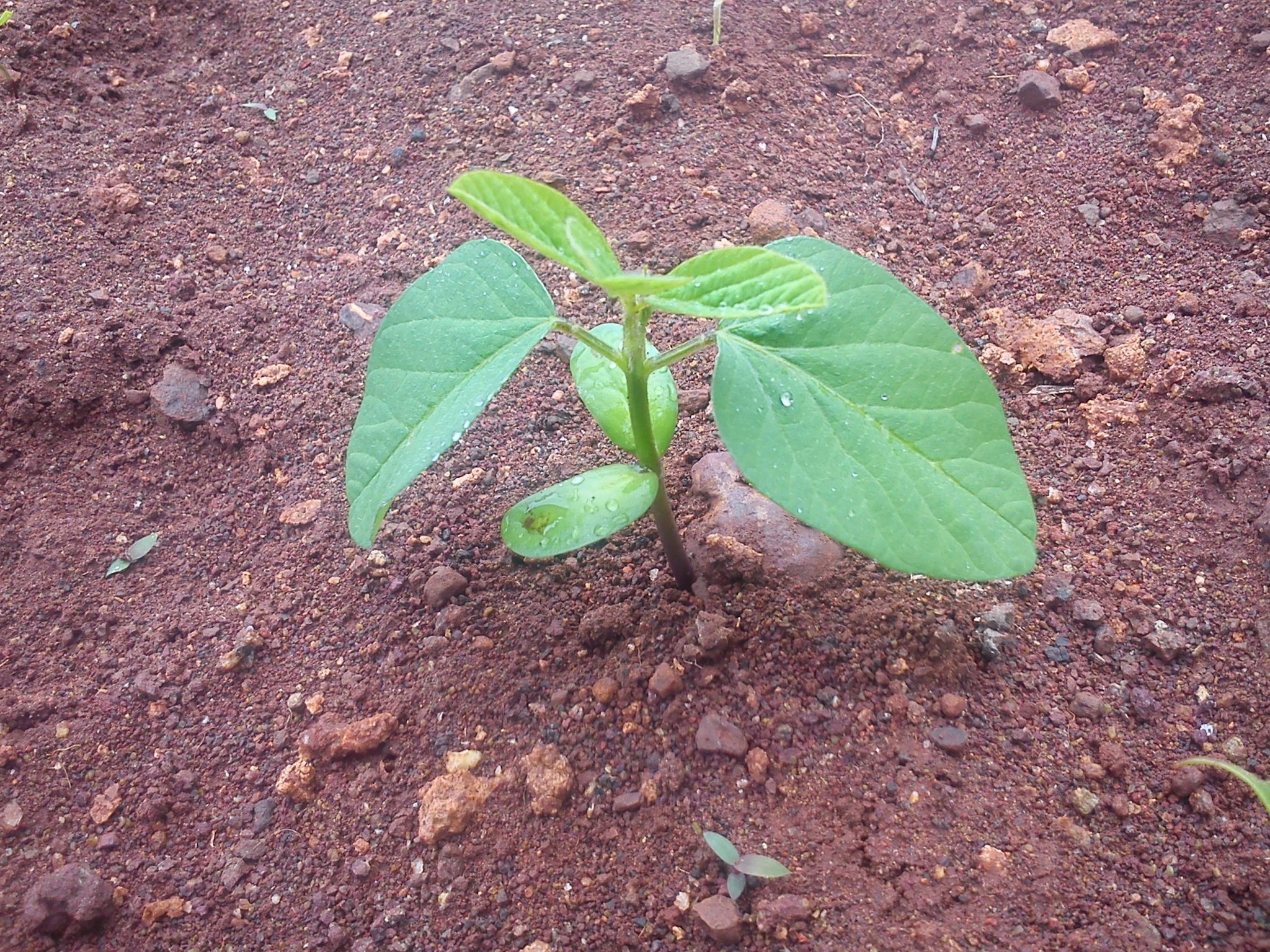
Plant Systems
Crop and growing-system work tied to yield, quality, and inputs.
Plant-focused research links productivity, cropping intensity, water constraints, and quality improvement inside responsible production planning.
Explore product categories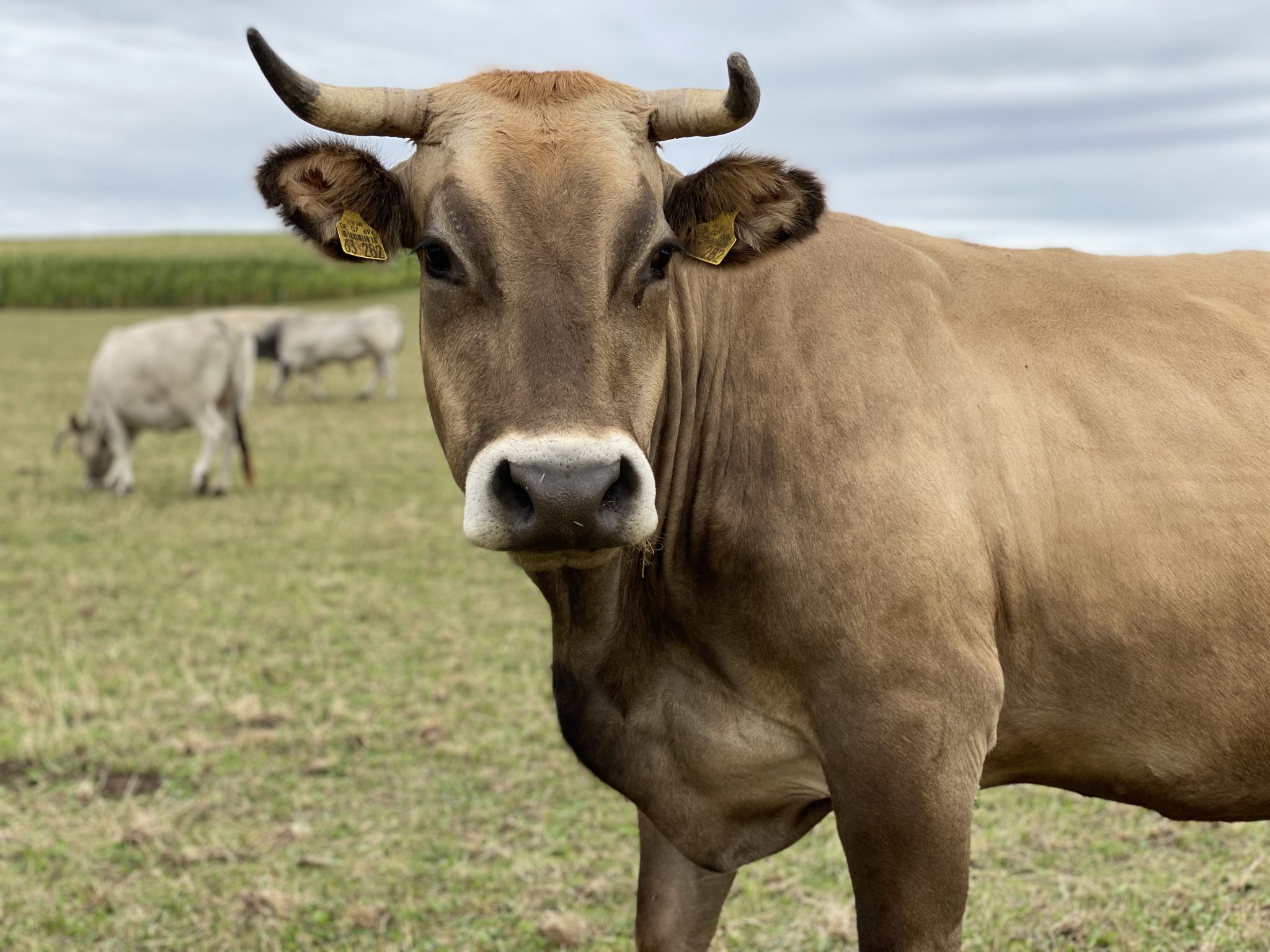
Animal Systems
Livestock productivity studied through nutrition, land use, and practical trade-offs.
Animal-system research connects feed efficiency, pasture productivity, dietary demand, and ruminant production within a constrained global food mix.
See animal nutrition
Academy & Network
Research extended through education, external expertise, and industry dialogue.
Academic exchange, expert input, and industry dialogue support the core R&D agenda.
In-house direction
EnhancedExchange combines internal research direction with defined priorities around food systems, production science, and future operating resilience.
External specialists
Extramural scientists, specialist advisers, and scholarly exchange widen the scope of questions the company can pursue credibly.
Academic and policy dialogue
The research agenda connects not only to products but also to education, public dialogue, and the policy frameworks that shape food and agricultural outcomes.
Evidence-led programs
Research is used to inform product development, food safety, sustainability priorities, and the operating logic behind future commercial initiatives.
Operating Principles
Research organized for products, systems, and long-horizon decisions.
Science supports decisions for partners, buyers, and program design.
Long-horizon planning
The program is built around decades-long food, land, and emissions questions rather than only short commercial cycles.
Cross-disciplinary evidence
Food science, agronomy, animal systems, ecology, nutrition, and operating realities are treated as linked parts of one decision environment.
Applied translation
The aim is to move from research into better products, stronger production decisions, and more credible long-term operating programs.
Build the Next Initiative
Use EnhancedExchange when research needs to move into products, systems, or long-horizon planning.
Talk with EnhancedExchange about applied research, product development, sustainability-led planning, or broader food and agricultural programs.